Sally's Insights - Sally’s Interview with The Design Kids

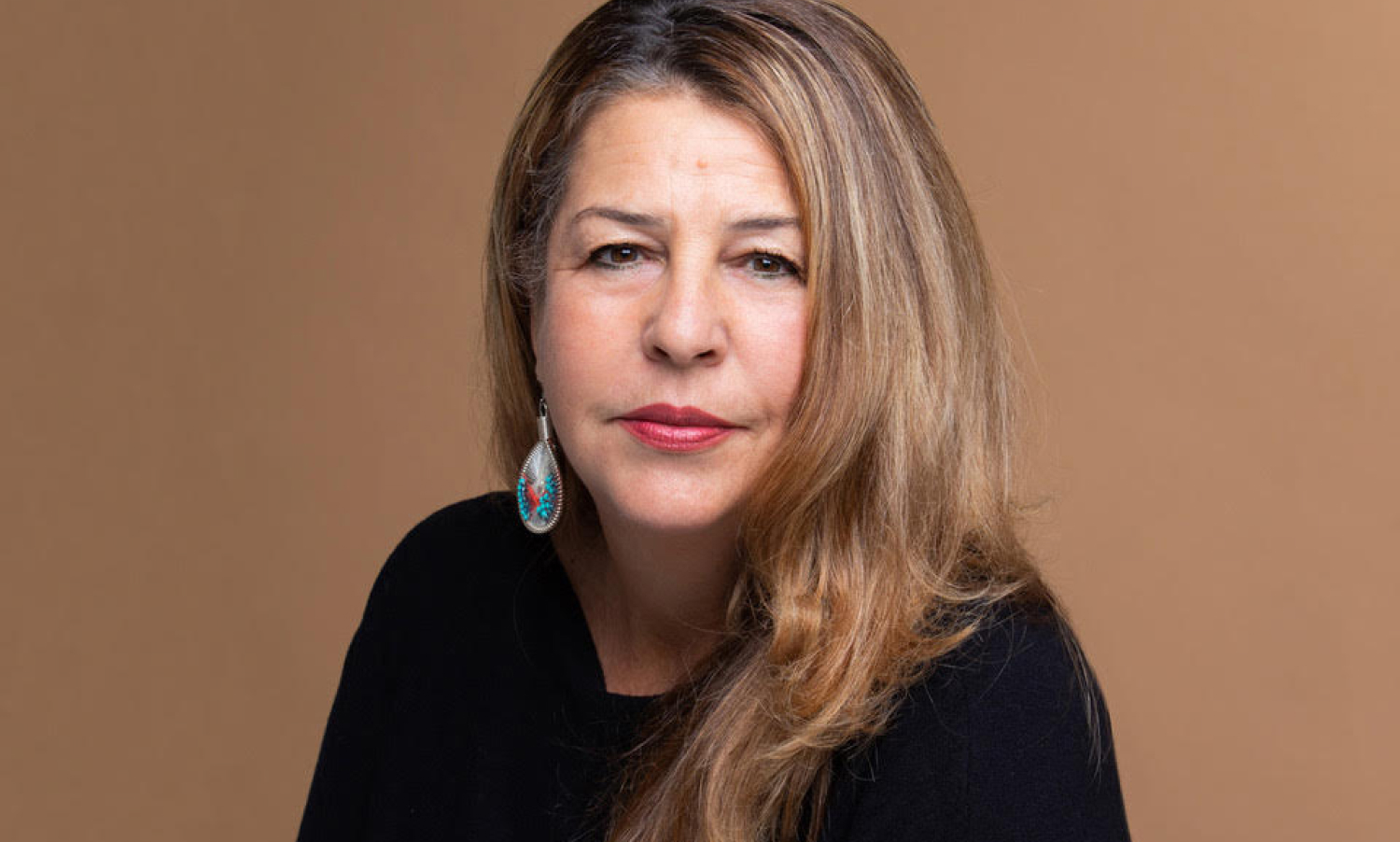
Sally has worn many hats—photographer, educator, podcaster, author, mentor—but above all, she’s been a guide for thousands of creatives navigating their careers. As Managing Director of The Brownbill Effect, Sally pairs deep industry knowledge with warmth and intuition, helping people find work and clarity. Her career is proof that asking the right questions—and listening—can change everything.

Can you tell us a little about your first few steps in your career. Was there a moment or experience when you realised this was what you’d do as a career?

I began my career as a photographer, then moved into working in television and West End theatre in London. After returning to Australia, I started teaching photography at RMIT (including to Dimitri), as well as at other universities. I later founded The Brownbill Effect Creative Directory, which evolved into a consulting service helping creatives excel at any stage of their careers. I also find both full-time and freelance work for creatives and co- host the podcast When Harri Met Sally and have written two books. Currently, I sit on several boards and serve as an Adjunct Industry Fellow within the design department at Swinburne University, where I work closely with Honours graphic design students.

What lessons from your career have most shaped your style and approach?

I’ve learned the value of listening and adapting to a wide range of scenarios. One of the most important lessons has been to ask questions—because you can never assume what someone truly wants. I’ve also learned to handle pressure with kindness and understanding. Supporting younger creatives has become a passion, reassuring them they’re not alone and guiding them as they navigate their careers. Empathy has proven essential, especially when helping people manage change. These experiences have made me a trusted go-to for many, and I genuinely love being that person.

Tell us about the core values or philosophies that guide your creative practice.

I just love helping people become the best version of themselves and making sure they know they’re not alone. I take pride in seeing each person as an individual, matching them to roles not just based on their skills, but also on their personality and core values. With a strong creative background, I bring a deep understanding of the creative industry. I speak from years of hands-on experience, and I genuinely love using that knowledge to support and guide others.

What needs to change, so emerging and under-represented creative professionals have more opportunity, are seen and heard?

There’s so much that needs to change. It’s time we moved away from relying on HR professionals and accountants who often lack the insight or experience needed to recruit and engage effectively with creatives—they can do more harm than good. Instead, let’s focus on real education: preparing students for the business side of being creative while they’re still at university. Give them opportunities to work on real projects with proper support. Build their confidence in both themselves and their work. Teach them how to network, guide them with purpose, and show them what’s possible. At the same time, we must educate the industry on the immense value these emerging creatives bring—and yes, even teach the ‘old dogs’ a few new tricks.

How important is it that creative professionals find their unique voice?

For many, finding their own voice can take a lifetime. That’s why it’s so important to have the right building blocks in place throughout their career. With the guidance of mentors and the confidence to truly own their ideas, their unique voice will emerge in time.

Looking ahead, what do you think are the key factors that will influence change for creative professionals?

Employers need a deeper understanding of the diverse skill sets young creatives bring to the table—skills that go far beyond technical ability. These emerging talents offer fresh perspectives, bold ideas, and the ability to think laterally and solve problems in ways that are often overlooked. It’s crucial that they’re given the space to speak up, voice their opinions, and contribute meaningful solutions.

We should also support and encourage those who choose to forge their own paths earlier—those who are ready to “nut it out” and learn by doing. Their work is often shaped by the world around them. Politics, social change, environmental issues—these aren’t just background noise for creatives, they’re powerful influences that inform and inspire the way they think, create, and communicate.

Recognising and valuing this context is essential for any employer or client looking to get the best from the next generation of creative minds.

How much does your city influence your work?

A lot, Melbourne is a very easy town to work in. It’s friendly, helpful and has an excellent support system with the education sector.

How much does your culture influence your work?

Personally, not really. I work across a wide range of companies, clients, and cultures, and I’ve learned to adapt along the way. The key word here is learn—because every interaction, environment, and challenge offers an opportunity to grow, shift perspective, and build understanding.

What should emerging creative professionals keep in mind as they begin their design career?

Keep your mind open to new opportunities. Stay curious—research, listen, and learn not only from those who came before you but also from your contemporaries. Own who you are and take pride in what you create. Be empowered, stay hungry, and never stop growing.

Network wherever you go—have conversations, share ideas, and build genuine connections. Keep your creativity alive outside of work, too—through personal art, hobbies, or passion projects that reignite your spark. And most importantly, understand the business side of being a creative. Knowing how to navigate that world is just as crucial as the work you produce.

Call Sally Brownbill 0403 302 831 or email sally@thebrownbilleffect.com

Share it around…
Facebook
Twitter
LinkedIn